
Rental property condition report
Move-in and move-out condition reports for your rental property
A rental property condition report prevents disputes about damage and the rental deposit. Are you starting a new tenancy or is your tenant moving out soon? With such a report, you record the condition of the property at the moment the tenant moves in. When they leave, you compare the condition with that report and immediately see what has changed.
TOPO4D draws up move-in and move-out condition reports for rental homes, apartments, student rooms and commercial premises. As an independent expert, we work for tenant and landlord at the same time. You receive a detailed report with photos, ready to be signed and registered.

What is a rental property condition report?
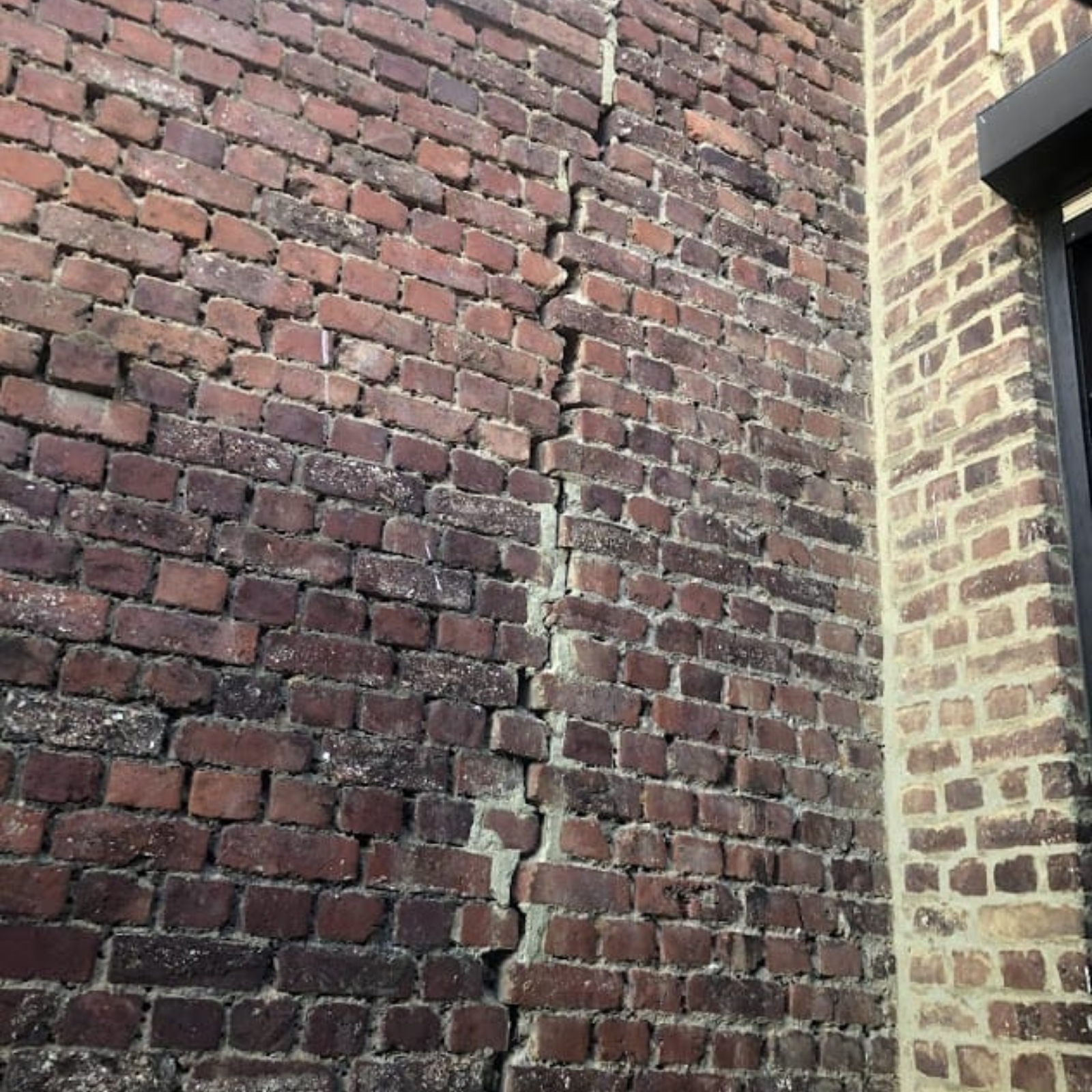
A rental property condition report is a written and photographic record of the condition of a rental property at the start or end of the tenancy. Room by room, we note the condition of walls, ceilings, floors, windows, doors, sanitary facilities, kitchen and technical installations. Existing defects, such as a cracked tile, a damp patch or a scratch in the parquet, are also recorded.
We also note the meter readings for water, gas and electricity and what the tenant receives at the handover of the keys. These details may seem minor, but they are often the source of disputes when the tenant leaves.
The condition report is attached to the lease and forms part of it. It is the only objective point of reference for later determining whether the tenant returns the property in the same condition.
Why have a condition report drawn up?
Years often pass between a tenant moving in and moving out. In that time, everyone forgets exactly what the property looked like at the start. The report records that condition objectively, so that tenant and landlord can rely on the same facts at the end of the tenancy.
- For the landlord: you can prove which damage the tenant caused. Without a condition report, the tenant is presumed to have received the property in the condition in which they return it. Charging for rental damage then becomes almost impossible.
- For the tenant: you prove which defects already existed when you moved in. That way, you cannot be held liable for damage you did not cause.
- For a smooth release of the rental deposit: the deposit is only released with the agreement of both parties or a court decision. A clear comparison between move-in and move-out makes that agreement much easier.
- To avoid disputes and legal proceedings: a neutral report leaves little room for interpretation. If a dispute does end up before the justice of the peace, you have strong evidence.
Condition reports at the start and end of the tenancy

Move-in condition report
The move-in condition report is best drawn up before the keys are handed over, when the property is still empty and nothing hides any damage. Otherwise, it must be done within the first month of the tenancy at the latest. If major works are carried out during the tenancy, an addendum can be drawn up.

Move-out condition report
At the end of the tenancy, we compare the property with the move-in condition report. We make a clear distinction between normal wear and tear, for which the tenant is not liable, and rental damage such as holes in walls or broken tiles. This gives tenant and landlord an objective basis for settling the rental deposit.
How does a rental condition report work?
01
Request and scheduling
You send us the address, the type of property and your preferred date. We schedule the site visit at a time when tenant and landlord, or their representatives, can be present.
02
Site visit
A TOPO4D expert goes through the property systematically, room by room. Every observation is described and photographed. We also record the meter readings and the number of keys. Comments from the tenant or landlord are included in the report.
03
Report and signing
We process everything into a clear report with numbered photos. Both parties sign it, after which the landlord registers it together with the lease via MyRent.
Is a rental condition report mandatory?
A condition report is legally required at the start of a residential tenancy. In Flanders, this is laid down in the Flemish Residential Tenancy Decree, which applies to leases concluded from 1 January 2019.
The condition report must be:
- Detailed: a general statement such as “the property is in good condition” is not enough. Every room must be described in detail.
- Drawn up jointly: tenant and landlord, or their representatives, are given the opportunity to be present and sign the report.
- Timely: it is drawn up while the property is still empty or at the latest during the first month of the tenancy.
- At shared cost: tenant and landlord split the costs.
A move-out condition report is not mandatory. However, it must be drawn up if the tenant or landlord requests it. In practice, we always recommend it.
Why clients choose TOPO4D

Independent
We are independent of both parties and of real estate agencies. Our findings are objective, which makes it easier for tenant and landlord to accept the report.

Legally sound
Our experts are sworn in by the court. We draw up every condition report so that it stands up even in a dispute before the justice of the peace.
Detailed and clear
Room by room, with numbered photos for every observation. This makes the comparison between move-in and move-out simple and unambiguous.

For private individuals and professionals
We work for private landlords and tenants, but also for real estate agencies, property managers and managers of multiple rental properties. For the latter, we provide a fixed procedure and smooth scheduling.
What our clients say
















Frequently asked questions about rental condition reports
Who pays for the rental condition report?
Tenant and landlord split the costs equally when they appoint an expert together. If each party chooses its own expert, each pays its own costs.
Can I, as a landlord, draw up a condition report myself?
Yes. A condition report you draw up yourself is valid if it is detailed and drawn up jointly and signed by both parties. In practice, however, it is often not detailed enough to serve as evidence later. An independent expert prevents that discussion.
What if the condition report is not drawn up within the first month?
In that case, either party can ask the other to have it drawn up after all. If the other party refuses, you can go to the justice of the peace, who can appoint an expert. The longer you wait, the harder it becomes to establish the initial condition objectively.
Do the tenant and landlord have to be present?
Both parties must be given the opportunity to be present. They can also be represented, for example by a real estate agency. Only then is the condition report drawn up jointly.
What is the difference between wear and tear and rental damage?
Wear and tear is the result of normal use and ageing, such as faded paint or signs of use on the floor. Rental damage is damage caused by improper use or negligence, such as holes in the wall, burn marks or broken tiles. Only rental damage may be charged at move-out.
Is a condition report also needed for a student room or commercial premises?
A condition report is also highly advisable for a student room; if the room is the tenant’s main residence, the rules for residential leases apply. For commercial leases, it is not always mandatory but it is strongly recommended to avoid disputes later.
How do you register the condition report?
The condition report is registered together with the lease with the FPS Finance. Since March 2025, this must be done digitally via MyRent. The landlord must do this within two months of signing. Registration is free for a property used as a main residence. You receive a digital PDF report from us, which you can upload straight away.
Have a condition report drawn up for your rental property?
Is a lease starting soon or is your tenant leaving the property? Have the condition recorded by an independent expert. TOPO4D visits quickly, works accurately and provides a report that both tenant and landlord can rely on.
"*" indicates required fields